
Trip Finder
LANGTANG AND HELAMBU REGION
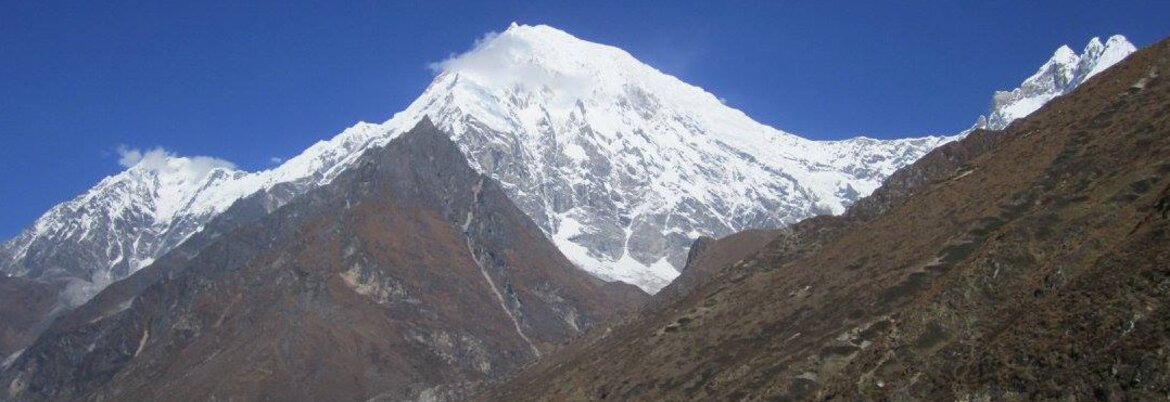
Langtang is situated close to the Tibetan border. A remote valley enclosed by snow-capped mountains that culminates in the peak of Langtang Lirung (7246m). It is all part of the beautiful Langtang National Park. Among the deep valleys and high peaks lives both the Tamang and Tibetan people who have cohabitated here side by side for generations. Our trek begins through larch & rhododendron forests that are abundant with various wildflowers & birds. During the spring season the rhododendron are in full bloom transforming it into a forest garden. Some of the many lakes and mountain streams we pass are considered sacred to both Hindus and Buddhists. One special lake we will see on our trek is Gosainkunda Lake. Many people make a yearly pilgrimage in August to this site. Not only does this trek contain natural sacred sites, but also solitary Buddhist monasteries such as Gompa in Kyanjin. There is plenty of time to relax and explore the area as we approach the glacier. If time allows and the desire exists we can climb a nearby peak for stupendous mountain views. From there, we will pass by Gosainkunda Lake and make our way towards Helambu through the Laurebina Pass at 4610 meters. Though the pass is high and challenging you will be rewarded with stunning views of Manaslu, Ganesh Himal, and you may even see as far as the Annapurna massif. The trek becomes less demanding as we walk along a series of undulating ridges before descending to the edge of Kathmandu.
Directly north of the city of Kathmandu and close to the border of Tibet is the region called Helambu (in Tibetan it's called "Beyul", Hidden Valley). This Nepali name is derived from two famous staple foods which are grown in abundance in Yolmo. Hey is the term for the Yolmo potato and Labu is the word for the large white radish. Both feature prominently in local cuisine as well as many Tibetan dishes throughout Nepal and Tibet. In the Valley of Yolmo people or Yolmopa are ethnically Tibetan. Their ancestors migrated in the eighteenth and nineteenth centuries from the Kyirong region of Tibet. They speak a dialect of the Tibetan language called Yolmo, but also speak Nepali. Yolmo is famous for its innumerable holy and sacred sites. Among these famous sites are a series of sacred caves where secluded meditation practices occurred. Two well-known caves are Takphug Senge Dzong (The Tiger Cave Lion Fortress) just below the village of Tarkye Gyang, where Milarepa sang his "Song of a Yogi's Joys", and Yangdak Chokgi Trakpuk (Completely Pure Supreme Cave) which is locally known as "Druphug" (Cave of Accomplishment) that sits at an altitude of 14,000 feet. Nearby there is a small cave called "Khandro Sangphug" (The Dakini's Secret Cave) where Milerpas consort, Shakya Denma (Shakya Devi) stayed. Yet another sacred cave is found in Pemthang (Tibetan: Chema Thang--Sandy Flats). It’s located in a small hidden valley within Yolmo. There is another cave of Guru Rinpoche in Yolmo, re-discovered by Chatral Sangye Dorje Rinpoche in 1984, which is called Yanglesho (not to be confused with a renowned cave of the same name in Pharping, Nepal). Near the village of Sermathang. Finally the cave in which Padmasambhava meditated is named "Nyida Rangchung" (Naturally Appearing Sun and Moon). Although Yolmopa are sometimes called Sherpas and they occasionally do refer to themselves as Sherpas, there is no common ancestry. The Sherpas live about 50 miles east of the valley in Nepal's Solu Khumbu region, near Mt. Everest. The Sherpa people also migrated from Tibet, but they came earlier and speak a different Tibetan dialect. Though the people of Yolmo are separated by generations from Tibet, they still are ethnically Tibetan and maintain the customs and celebrate the same holy days as all Tibetans.
Trips in LANGTANG AND HELAMBU REGION
Click on Details for further information
Langtang Valley Trek, 11 Days
Langtang Valley Trek For Families, 10 Days
Horse Riding Trek To Langtang Valley (With Children Or Without), 10 Days
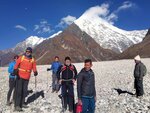
Langtang Valley Short Trek, 10 Days
Helambu Circuit Trek For Families (Going To Yolmoland), 9 Days
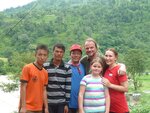
Helambu Valley Cultural Trek For Families, 6 Days
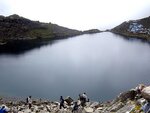
Gosaikunda Lake And Helambu Trek Traverse Lauribinayak-La Pass, 10 Days
Tamang Heritage Trail Trek, 9 Days
Naya Kanga (Ganja La Chuli) Peak Climbing, 14 Days
Yala Peak Climbing - 14 Days | Royalty-Free Peak
Paldor Peak Climbing, 18 Days
Tilman Pass Trek, 20 Days
Langtang Ganja-La Pass Trekking, 14 Days
Panch Pokhari Trekking, 10 Days
Bhairav Kunda Trek, 12 Days
Helambu Heritage Circuit Lodge Trek, 9 Days
Meditation Trek To Helambhu (Yolmo Land), Lodge 11 Days
Yolmo Valley Meditational Tour