



Reise-Finder
Der Große Himalaya Trail (GHT)
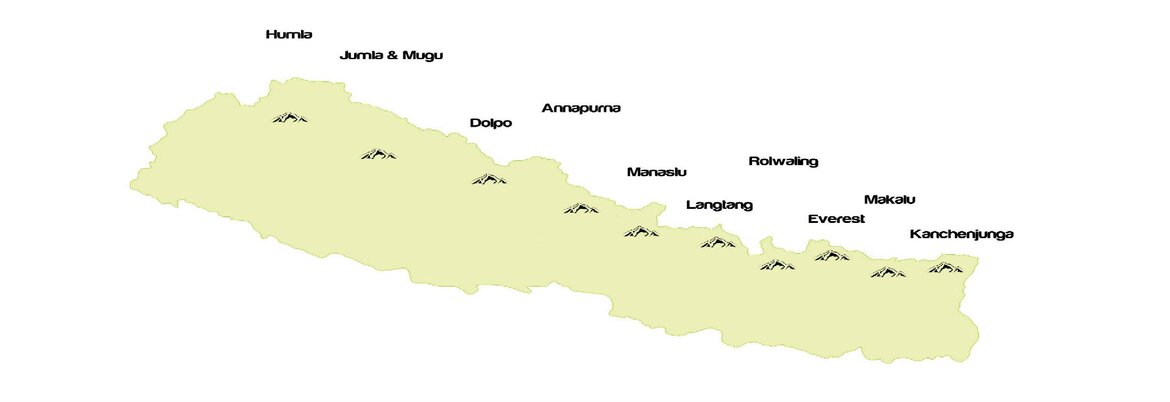
Counted as one of the great long-distance trails of the world, The Great Himalaya Trail is a network of existing trails pieced together to walk along the spine of the Himalayan Mountains. It is a long distance trail that will enable the hardy to visit some of the most remote places on earth. As you walk in an east-west or vice versa direction you will pass beneath the world’s tallest peaks. It passes through lush green valleys, arid high plateaus and incredible landscapes. Each of the 10 sections of the GHT has a distinct feel and comprises of both upper and lower routes. Each section will astound you with adventure, authentic cultural experiences, and spectacular Himalayan nature. The 1700km Nepal section of the trail is only part of a wider concept. This trail is proposed to connect Bhutan to Pakistan. In Nepal the trail begins near Kanchenjunga on the eastern border and heads west navigating eight of the world’s 8000m peaks. You will pass under the mighty Everest and the beautiful Makalu. If you want a clear direct route across Nepal, this is not it. However, this is the trail that will gain you access to the Great Himalayan Range like no other way can. The western section ends in Humla on the Tibetan border and in between the trekker is offered an incredible diversity in terms of landscapes, flora & fauna, people and culture. The wildlife possibilities alone are incredible. From the mythical snow leopards to red pandas some of the world’s rarest and most elusive animals call it home. The ecological diversity of Nepal will be presented to you from sub-tropical jungles to fragile high-altitude eco-systems. Diversity is not left to its flora and fauna, there exists all the cultural dynamism. Enjoy the hospitality of the famous Sherpa people, and experience the ancient Bön Buddhist culture of Humla. In the world famous and venerable National Geographic Adventure Magazines’ James Vlahos observes, “Nepal’s mountains are minimally developed, but they offer a wealth of trade and pilgrimage routes. The GHT elegantly connects these existing paths without blazing a single new trail. Truly there is much of this great trail left to be discovered, developed and enjoyed.
Though rich in its biodiversity, and cultural heritage, most of the tourism is concentrated, as far as trekking is concerned, in the three popular areas. Solo Khumbu (Everest) region, Annapurna region, and Langtang are by far the predominate areas most visited by trekkers. However, by trekking in underused areas, like many that the GHT passes through, you can make a direct impact on communities. These communities can economically benefit through direct commerce with tourist. When a visitor spends money on food, accommodations or services such as guides, porters, and cooks you can help directly impact their local economies for the better. Many of the tourists that come to Nepal do so to get away from the crowds and to seek true adventure. If you plan to hike even part of this great trail this will be more than possible. And while not everybody will have the time or resources to attempt the whole route, many sections of shorter treks along the GHT area quite accessible. There are many more places to visit in Nepal rather than just Annapurna, Everest or Langtang areas. Though they are beautiful, we hope to highlight the many other astounding and incredibly rich areas of Nepal. All the information about the GHT Treks were kindly provided by the fantastic team of GHT development project, which is an organization based in Kathmandu working hard to bring tourism into remote areas. Their Homepage, www.thegreathimalayatrail.org, is teaming with the information you will never find any other place. On their website, you can also read about other types of development in Nepal. Their commitment and dedication to the preservation and enhancement of Nepal and its communities will make you eager to contribute in your own way to this great initiative.
Reisen in Der Große Himalaya Trail (GHT)
Klicken Sie auf Details für weitere Informationen
Great Himalaya Trail - Kanchenjunga Nach Makalu Region, 53 Tage
Der Great Himalaya Trail - Abschnitt 1 (Kanchenjunga nach Makalu Region) Kanchanjanga ist der dritthöchste Berg der Welt und liegt im Nordosten Nepals. Diese Wanderung ist eines der beliebtesten Trekkingziele in Ostnepal. Sie wurde 1988 für Wanderer eröffnet und ermöglichte es, wundervolle und relativ unerforschte…
Details
Great Himalaya Trail - Everest Nach Rolwaling Region, 40 Tage
Der Great Himalaya Trail - Abschnitt 2 (Everest nach Rolwaling Region) Eine wahrhaft abenteuerliche Expedition in eine abgelegene und wilde Region des Großen Himalaya mit voller logistischer Unterstützung - dies ist eine Reise, die eine andere Route, eine neue Perspektive, eine Herausforderung sucht. Unsere Route…
Details
Great Himalaya Trail - Langtang Nach Manaslu Region, 50 Tage
Der Great Himalaya Trail - Abschnitt 3 (Langtang nach Manaslu Region) Dieser Abschnitt der Wanderung überquert den Tilman-Pass nach einem Besuch des Bhairav Kund und fünf heiliger Seen von Panch Pokhari und des extrem abgelegenen Jugal Himal, der Heimat der blauen Schafe und des roten Pandas. Der Langtang Himalaya…
Details
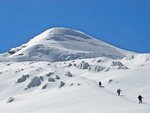
Great Himalaya Trail - Annapurna Nach Mustang Region, 33 Tage
Der Große Himalaya - Abschnitt 4 (Annapurna nach Mustang Region) Trekking vom Nar-Phu-Tal über den Teri-La-Pass nach Upper Mustang Trek ist neu und wurde in Kürze für Trekking in Nepal sehr beliebt. Die Trekkingroute beginnt in Jagat über Besisahar (Hauptsitz des Distrikts Lamjung) entlang des Marsyangdi-Tals in…
Details
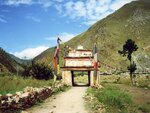
Great Himalaya Trail - Dolpo Nach Mugu Region, 34 Tage
Der Great Himalaya Trail - Abschnitt 5 (Dolpo nach Mugu Region) Dieser Abschnitt der Wanderung führt nach Mustang in Kagbeni, einer malerischen mittelalterlichen Stadt, eingebettet in Apfelplantagen und umgeben von Schneebergen. Die Wanderung führt über den hohen Sangda-La-Pass und betritt ein anderes abgelegenes…
Details
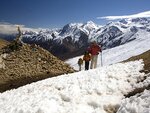
Great Himalaya Trail - Mugu Nach Humla Region, 30 Tage
Der Große Himalaya-Pfad - Abschnitt 6 (Mugu nach Humla Region) Jumla und Rara liegen nordwestlich von Kathmandu in der abgelegenen Gegend von Karnali. Die Route ist sehr abseits der ausgetretenen Pfade und bietet Einblicke in Kulturen und Landschaften, die sich stark vom Rest Nepals unterscheiden. Diese Wanderung wird…
Details